
UX Design • Mental Health • Platform Redesign
AbilitiCBT
Redesigning a Mental Health Platform for Better Engagement
Introduction
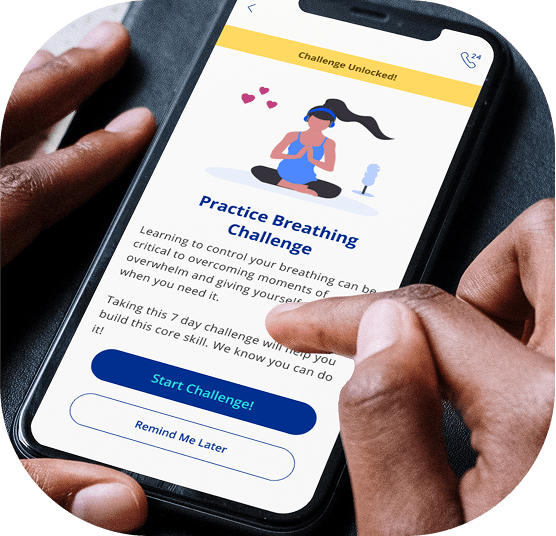
AbilitiCBT, initially launched as a rushed MVP to meet a client deadline, was failing to meet user expectations and generate revenue. Our team was engaged to redesign and rebuild the platform, transforming it into a successful, user-friendly mental health tool.
Results
The platform redesign delivered substantial improvements in user engagement and business metrics
Program Completion
Increased the program completion rate from 22% to 85%.
User Satisfaction
Achieved a satisfaction rating of 4.7/5, up from 2.3/5 with the previous version.
Revenue Growth
Transformed from a revenue drain to one of the most profitable digital health offerings.
Market Expansion
Successfully entered new markets, including expansion into the United States.
Corporate Wellness
Reduced short-term and long-term disability cases in corporate clients where AbilitiCBT was utilized.
Public Health Partnership
Secured partnerships to provide free support in multiple Canadian provinces.
The Challenge
The initial platform was failing to meet both user and business needs
Low Engagement
Users were dropping out early and not completing the therapy program, limiting effectiveness.
Revenue Issues
The platform was not generating expected revenue, threatening the viability of the business line.
Content Problems
Ineffective content delivery with long-form text that users found difficult to engage with.
Poor User Experience
The platform was not optimized for mobile, despite many users accessing it from their phones.
Our Approach
"A comprehensive redesign strategy focused on understanding user needs and improving engagement"
Research and Analysis
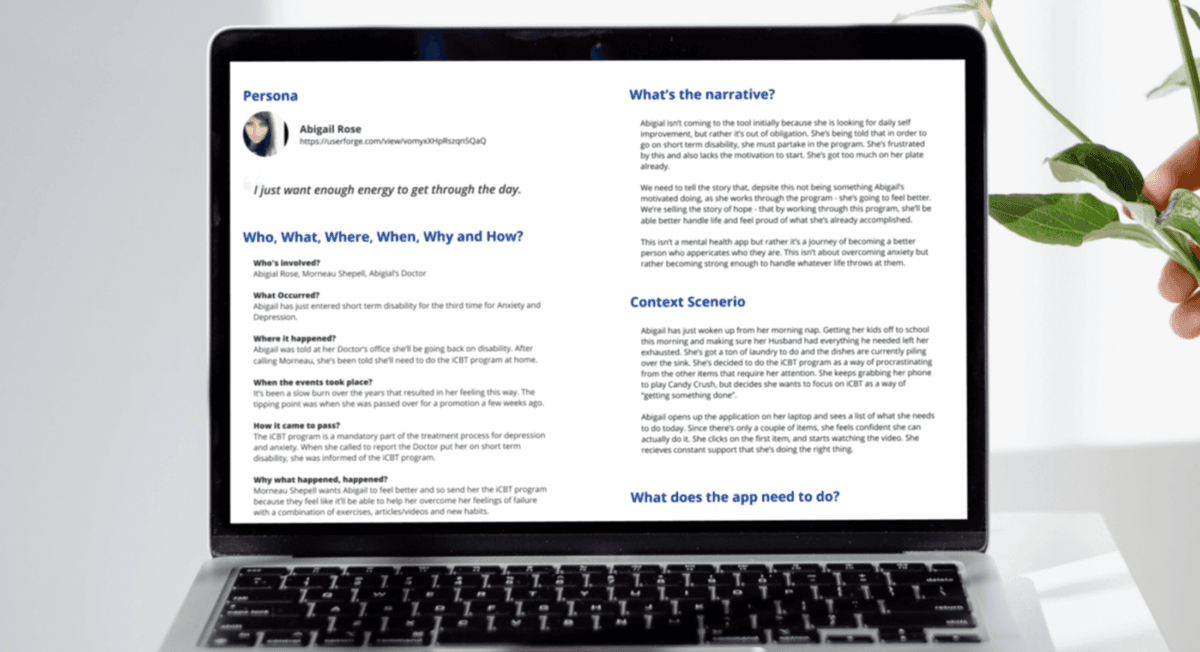
We began by conducting thorough stakeholder interviews and user testing to understand the pain points.
Competitive analysis helped us identify best practices in the mental health platform space.
User journey maps revealed key drop-off points and opportunities for improvement.
Design and Development Process
Design Strategy
Prioritized features based on user needs and business requirements to focus development efforts.
Developed wireframes and prototypes that were tested with actual users before implementation.
Design Principles
Design
Principles
Simple and Clear
Focus on simplicity and clarity to reduce cognitive load
Mobile-First
Mobile-first approach to ensure accessibility across devices
Easy Access to Content
Bite-sized content delivery to improve engagement
Progressive Introduction
Progressive tool introduction to avoid overwhelming users
User-Centric Improvements
Mobile-First Redesign
Rebuilt the entire platform with a mobile-first approach to ensure a seamless experience across all devices.
Bite-Sized Video Content
Replaced long-form text with engaging, short-form videos to improve content retention and completion rates.
Progressive Tool Introduction
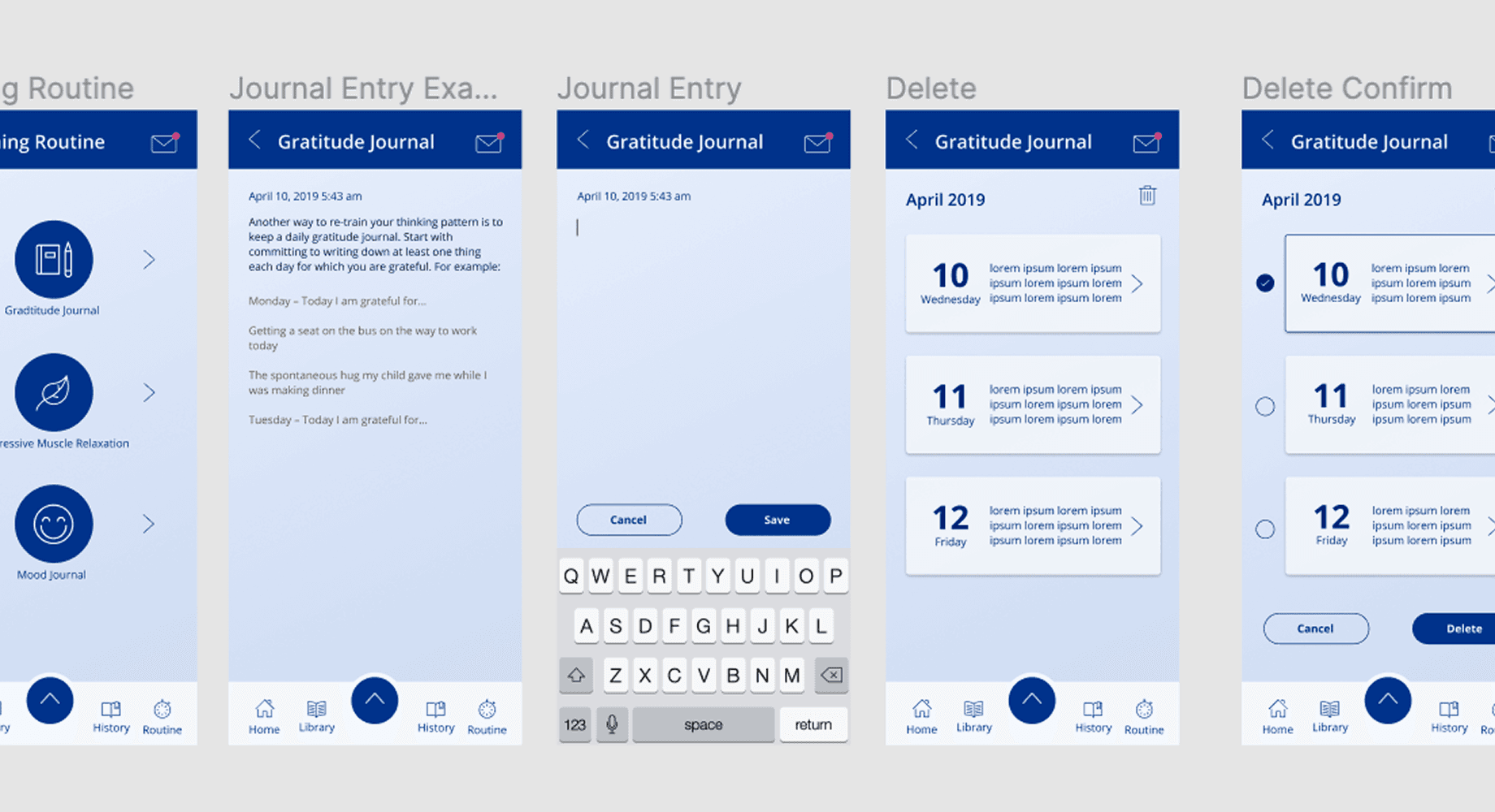
Gradually introduced therapy tools based on user progress and requests, reducing overwhelm and improving adoption.
Simplified Interface
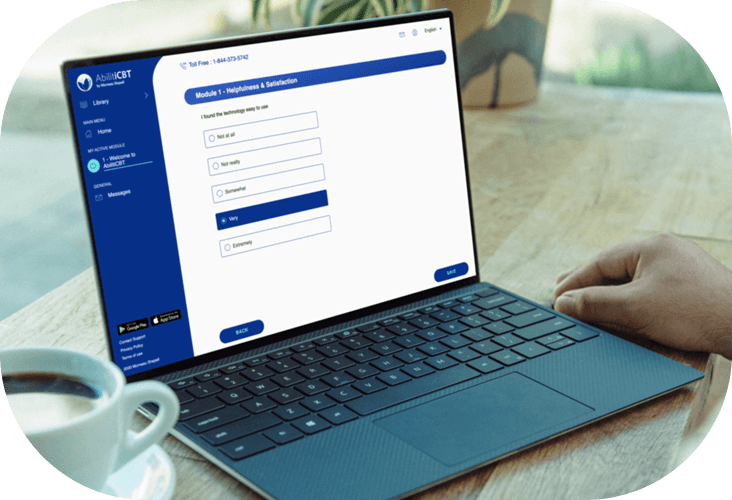
Redesigned the interface with clear navigation and reduced cognitive load to help users focus on their therapy.
User Progress Tracking
Implemented visual progress indicators to motivate users and provide a sense of accomplishment.
Personalized Experience
Created a more personalized therapy experience that adapts to user needs and preferences.
Key Learnings
Mobile-first design is crucial for accessibility and user engagement
Bite-sized, video-based content significantly improves completion rates
Continuous user feedback and iterative improvements are essential for platform success
Simplifying complex health information increases user retention and outcomes
Conclusion
By addressing user needs and pain points, we transformed AbilitiCBT from a struggling MVP into a successful mental health platform, benefiting both users and the business. The redesign demonstrates the impact of user-centered design in healthcare technology.